Deep Ecologist John Seed says that for every forest we save, we lose a thousand more. Activism therefore needs to be more than just being about responding to stuff. We need to be doing the proactive stuff too.
Holistic activism is an approach to social and environmental change that integrates a broad, interconnected perspective. Instead of focusing solely on external problems such as political policies, corporate practices, or environmental destruction, it also addresses internal factors like personal growth, emotional intelligence, and systemic thinking.
Core Aspects of Holistic Activism:
- Interconnectedness – Recognising that all issues (social, environmental, economic, and personal) are deeply linked and cannot be solved in isolation.
- Inner Work & Presence – Understanding that activism isn’t just about “fighting against” something but also about cultivating awareness, compassion, and emotional resilience within ourselves. Mindfulness, emotional intelligence, and personal healing are essential to effective change.
- Long-Term Thinking – Moving beyond reactionary activism to create sustainable, regenerative solutions.
- Nonviolence & Inclusivity – Engaging with issues in a way that promotes dialogue, respect, and understanding, rather than deepening polarization and conflict.
- Systemic Change Over Symptoms – Addressing the root causes of problems rather than just their symptoms. For example, instead of only protesting environmental destruction, holistic activism might focus on shifting cultural values around consumption, economic models, and human relationships with nature.
- Custodianship & Sustainability – Seeing ourselves as caretakers of the planet and society rather than owners or controllers. This means prioritising ecological balance, community well-being, and long-term sustainability over short-term gains.
- Embodiment of Values – Living by the principles one advocates for, ensuring that personal actions align with activism. This could mean choosing ethical consumption, fostering cooperative relationships and practicing open-hearted communication.
How Holistic Activism Differs from Traditional Activism:
- Traditional activism often focuses on external struggles (protests, legal reforms, policy changes)
- Holistic activism combines external action with inner transformation, systems thinking, and long-term cultural shifts.
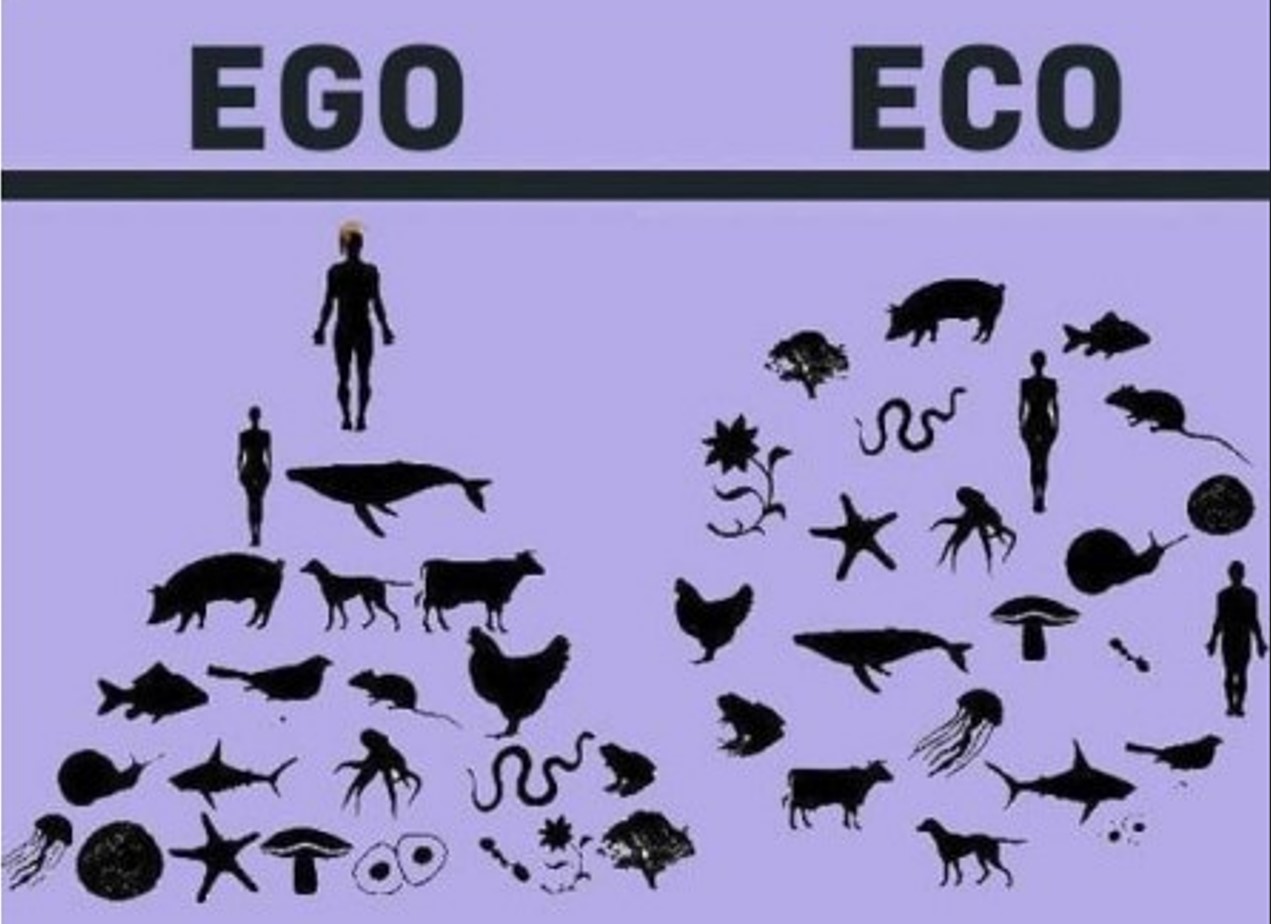
There is nothing new in Holistic Activism. All the wisdom that is required to create a socially and ecologically sustainable world was written down (or not written in many oral traditions) over the years by teachers from all parts of the world. Holistic Activism is about repackaging some of these teachings in a four-step format which may be more effective right now.
Some people may not connect with the term ‘activism’ because it doesn’t work for everyone. As Anthea Lawson says:
“There are many people who will never see themselves as activists. Perhaps they don’t think of themselves as oppositional, don’t believe they can be activists, or dislike the cultural baggage surrounding the term. So it is important to talk about changemaking in ways that allow more people to recognize themselves in it. I learned this from my own first book. By putting “activist” in the title of The Entangled Activist, I effectively ensured that it would be read mainly by people who already identified as activists. They loved it, which was wonderful, but I also wanted to reach people who look at the state of things and think, “I didn’t consider myself very political, but this isn’t good. I’d like to do something, but I don’t know where to start.”
Therefore in terms of reaching out to as many people as possible, Holistic Activism as a term is simply a starting point. Because fundamentally this is all about a collective return to a way of approaching the world in a manner that is regenerative at both an inner and outer level.